
Flowerhorn Feeding, Protein and Health: A Complete Guide for Healthy Growth

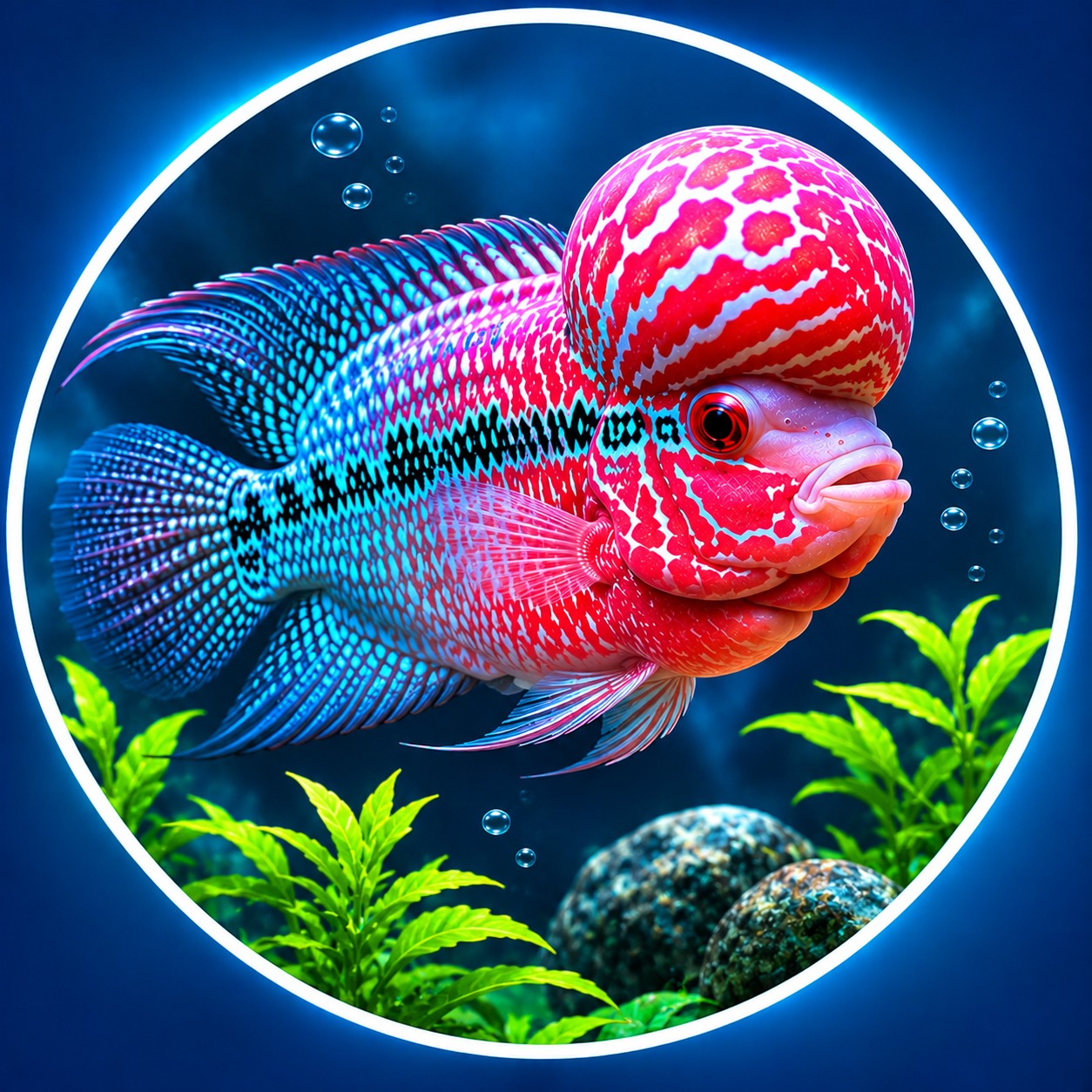
Flowerhorn fish are popular among aquarium enthusiasts because of their bright colours, distinctive pearling and prominent head hump, commonly known as the kok. However, maintaining a healthy Flowerhorn requires more than simply choosing expensive food or feeding a high-protein diet. Proper nutrition, suitable feeding portions, clean water and consistent aquarium care all play important roles in the fish’s overall condition.
Many Flowerhorn owners wonder how often they should feed their fish, whether extra protein can increase kok size, which foods are suitable for juveniles and adults, and how to recognise feeding-related health problems.
The truth is that no single food or feeding schedule works perfectly for every Flowerhorn. Age, size, activity, body condition and water quality all influence its nutritional needs.
In this guide, you will learn how to choose suitable Flowerhorn food, understand protein requirements, develop a practical feeding routine and avoid common mistakes that can affect your fish’s health.
If you are new to keeping Flowerhorn fish, read our Complete Flowerhorn Care Guide for Beginners to learn more about their overall care requirements.
Why Is Proper Feeding Important for Flowerhorn Fish?
Feeding is one of the foundations of responsible Flowerhorn care. A balanced diet provides nutrients needed for growth, tissue maintenance, normal body functions and overall condition.
A suitable diet can help support:
Healthy growth: Adequate nutrition supports normal development in juvenile and adult fish.
Body condition: Balanced feeding helps maintain an appropriate body shape without excessive fat accumulation.
Natural colouration: Good nutrition supports the fish’s natural colour, although genetics also influence colour intensity and patterns.
Normal activity: Suitable nutrition helps support regular swimming, feeding behaviour and daily activity.
General health: A nutritionally complete diet helps meet the fish’s needs when combined with suitable water conditions.
However, food alone cannot prevent every illness or guarantee a particular appearance. Genetics, environmental conditions and individual differences also matter.
For a broader introduction to aquarium care, read our Complete Flowerhorn Care Guide for Beginners.
1. What Is the Best Food for Flowerhorn Fish?
The best food for a Flowerhorn is a nutritionally complete food formulated for Flowerhorns or appropriately sized large cichlids. The right choice should depend on the fish’s size, life stage and ability to eat the food comfortably.
Instead of relying on a single ingredient or a product advertised for rapid kok growth, look for a balanced formulation with suitable protein, fats, vitamins and minerals.
High-Quality Flowerhorn Pellets
Quality pellets are a practical staple for many Flowerhorn aquariums because they provide a consistent nutritional profile and are easy to portion.
When choosing pellets, consider the following:
Check that the food is appropriate for the fish’s size and life stage.
Review the ingredient list and nutritional analysis.
Choose a pellet size the fish can consume comfortably.
Store the food according to the manufacturer’s instructions.
Avoid products that are expired, damp or visibly deteriorated.
Pellets can form the main part of the diet when they are nutritionally complete and fed appropriately.
Frozen and Prepared Foods
Suitable frozen foods can provide variety when sourced from reputable suppliers and handled correctly. Depending on the product, options may include brine shrimp, mysis shrimp and other appropriate aquatic foods.
Thaw frozen food as directed before feeding, and avoid leaving uneaten portions in the aquarium.
Live foods require additional caution because they can introduce parasites or pathogens. Do not assume that live food is automatically healthier than a quality prepared diet.
Can Flowerhorns Eat Vegetables?
Some Flowerhorns may accept suitable plant-based ingredients, but acceptance and nutritional suitability vary. A complete cichlid food should remain the dietary foundation unless a fish-specific nutritional plan recommends otherwise.
Avoid feeding random kitchen leftovers or foods containing salt, spices, oils or seasonings.
2. How Much Protein Does a Flowerhorn Need?
Protein is an important dietary nutrient because it supplies amino acids needed for growth, tissue maintenance and normal body functions.
Flowerhorns are cichlids that benefit from a diet formulated for their nutritional requirements. However, there is no single protein percentage that is ideal for every fish, regardless of age, food formulation or feeding routine.
Juveniles are growing, so their nutritional requirements differ from those of mature fish. Adult fish also need balanced nutrition to maintain their body condition.
When comparing foods, consider the complete nutritional formulation rather than choosing a product based on its protein percentage alone.
Does More Protein Mean Better Growth?
Not necessarily. A higher protein percentage does not automatically mean that a food is more suitable, and feeding extra food does not guarantee faster or healthier growth.
The quality and digestibility of the ingredients, the overall nutrient balance, the amount fed and the fish’s individual needs all matter.
Excessive feeding can increase waste production and make water quality harder to manage. Uneaten food may decompose, while an unsuitable diet can contribute to poor body condition.
Practical tip: Choose a complete food appropriate for your Flowerhorn and follow its feeding guidance. Adjust portions according to the fish’s size, appetite and body condition rather than trying to maximise protein intake.
3. Can Protein Increase Flowerhorn Kok Size?
The kok is one of the most recognisable characteristics of Flowerhorn fish. Many hobbyists choose their fish based on the potential for a prominent, rounded head hump.
Although nutrition supports normal development, protein alone cannot guarantee a larger kok.
Genetics and selective breeding play important roles in determining the fish’s potential head shape and size. Age, individual development, general condition and environmental stress can also influence its appearance.
Two Flowerhorns receiving the same food may develop very different head humps.
A balanced diet can support healthy growth, but there is no reliable feeding method that guarantees a massive kok in every fish.
Be cautious of products claiming to produce dramatic head growth within a specific number of days. Evaluate food based on its nutritional quality and suitability, not solely on marketing promises.
4. How Often Should You Feed a Flowerhorn?
Feeding frequency depends on the fish’s age, size, activity, food type and body condition. A growing juvenile may need a different routine from a mature adult.
The following is a practical starting point, not a rigid rule for every aquarium.
| Flowerhorn stage | General feeding approach |
|---|---|
| Juvenile | Offer appropriately sized, balanced meals in smaller portions. Several small feedings may suit a growing fish. |
| Growing fish | Adjust meal frequency and portion size according to growth, appetite and body condition. |
| Adult Flowerhorn | Use a consistent routine with appropriately sized meals, avoiding unnecessary extra feeding. |
There is no need to feed a Flowerhorn every time it approaches the aquarium glass. Some fish learn to associate their owner’s presence with food and may appear hungry even after eating.
Observe your fish over time and adjust its routine when necessary. If appetite changes suddenly or the fish repeatedly refuses food, investigate possible causes rather than simply offering more food.
5. How Much Food Should You Give at Each Feeding?
Overfeeding is a common mistake in Flowerhorn keeping. Owners may offer large portions because they want faster growth or a bigger head hump.
A better approach is to begin with a modest portion that the fish can consume promptly, following the food manufacturer’s guidance.
Watch how the fish eats and check whether food remains after feeding. Remove leftovers rather than allowing them to break down in the aquarium.
The correct portion will depend on the pellet size, food type, fish size and feeding frequency. A fixed number of pellets cannot be recommended for every Flowerhorn because different products vary considerably.
Signs You May Be Overfeeding
Look for these possible warning signs:
Uneaten food regularly remains in the aquarium.
Waste accumulates more quickly than usual.
Water quality deteriorates between maintenance sessions.
The fish develops an increasingly heavy body condition.
You routinely offer extra meals without considering previous feeding.
These signs do not establish a diagnosis on their own, but they are reasons to review your feeding routine and aquarium maintenance.
6. Flowerhorn Feeding Mistakes That Can Affect Health
Even good-quality food can cause problems when it is used incorrectly. Avoiding a few common mistakes can make feeding easier and help maintain a cleaner aquarium.
Feeding Too Much
Excess food can increase waste production and contribute to poor water quality. Follow an appropriate feeding routine instead of repeatedly feeding your fish whenever it shows interest.
Relying on One Specialised Food for Every Need
A specialised food is not automatically complete simply because it is marketed for Flowerhorns. Check its nutritional formulation and suitability for your fish.
Changing Food Too Frequently
Repeatedly switching products may make it harder to determine which foods your fish accepts and tolerates well. Introduce dietary changes gradually when practical and observe the fish’s response.
Using Poor-Quality or Spoiled Food
Food that has been stored incorrectly or has deteriorated may not provide the expected nutritional quality. Follow storage instructions and replace products when necessary.
Ignoring Water Quality
Feeding and water quality are closely connected. Uneaten food and waste can increase the biological load on an aquarium.
Even a good feeding routine will not compensate for inadequate filtration or poor maintenance. Monitor water conditions and maintain an established biological filter.
For more information, read Could Small Daily Water Changes Be Better for Your Fish? and consider how your aquarium’s waste production affects its maintenance needs.
7. What Is the Connection Between Flowerhorn Feeding and Water Quality?
Every meal contributes to the aquarium’s waste load. Fish produce waste through normal biological processes, and uneaten food adds further organic material.
A suitable filtration system helps process waste, but it cannot eliminate the need for maintenance and water testing.
In a properly cycled aquarium, ammonia and nitrite should remain at zero. Nitrate should also be monitored and controlled through appropriate maintenance.
If water quality deteriorates, a Flowerhorn may show changes in appetite, activity or general condition. These signs are not specific to one problem, so testing the water is more useful than guessing from appearance alone.
To maintain a suitable environment:
Feed portions appropriate for your fish.
Remove uneaten food promptly.
Maintain an established biological filter.
Test water parameters regularly.
Perform partial water changes according to aquarium conditions.
Keep the water temperature stable and suitable for the fish.
A clean aquarium and a balanced diet work together to support good fish health.
8. How to Recognise Feeding-Related Health Problems
Changes in feeding behaviour can provide useful information about a Flowerhorn’s condition. However, symptoms such as a reduced appetite, abdominal swelling or abnormal waste can have several causes.
Avoid diagnosing a problem from one symptom alone.
Loss of Appetite
A Flowerhorn may temporarily eat less because of stress, environmental changes, unsuitable water conditions or illness.
Check water quality and temperature, review recent changes to the aquarium and observe the fish’s breathing and swimming.
If appetite loss persists or occurs alongside other symptoms, seek advice from an aquatic veterinarian or qualified fish-health professional.
Swollen Abdomen
An enlarged abdomen may have several possible causes, including digestive issues, internal disease or reproductive factors. It should not automatically be treated as a feeding problem.
Review recent feeding, observe the fish closely and seek professional guidance if swelling persists, worsens or occurs with other abnormal signs.
Unusual Waste
Changes in waste appearance can be influenced by diet and digestion, but they can also occur with illness or parasites. White or stringy waste alone does not establish a specific diagnosis.
Check the fish’s overall condition and water parameters. If the change continues or the fish shows additional symptoms, consult an appropriate fish-health professional.
Rapid Breathing or Unusual Swimming
Rapid breathing, loss of balance or marked changes in swimming should not be attributed to diet alone. These signs can indicate serious environmental or health problems.
Check water quality promptly and seek appropriate help if the symptoms are severe or persistent.
Avoid adding medication or drastically changing the diet without a reasonable understanding of the cause.
9. Should You Use Supplements for Flowerhorn Growth?
Flowerhorn supplements are often marketed for colour enhancement, growth and kok development. However, supplements are not automatically necessary when a fish already receives a nutritionally complete diet.
Adding multiple products without understanding their ingredients may create an unbalanced feeding routine or unnecessary expense.
Before using a supplement, consider whether your fish has a specific nutritional need and whether the product is suitable for its diet. Follow the manufacturer’s instructions and seek qualified advice if you are uncertain.
Remember that supplements cannot guarantee a particular kok size, body shape or colour pattern.
For most hobbyists, the sensible starting point is a complete diet, suitable feeding portions and stable aquarium conditions.
10. A Practical Flowerhorn Feeding Routine
Consistency is more useful than following complicated feeding trends. The following routine can help you organise daily care.
Daily
Offer suitable food in portions appropriate for the fish.
Observe the fish’s appetite and eating behaviour.
Remove uneaten food.
Check swimming, breathing and general appearance.
Confirm that the aquarium equipment is operating normally.
Weekly
Review the fish’s body condition and feeding routine.
Test relevant water parameters.
Inspect filtration and remove accumulated waste.
Perform a suitable partial water change based on aquarium conditions.
Review whether food portions are creating excess waste.
When Changing Food
Introduce a new food carefully, observe whether the fish accepts it and monitor its condition. Avoid making several major dietary changes simultaneously because this can make it harder to identify the cause of any problem.
The goal is to develop a routine that supports the individual fish while keeping the aquarium stable and manageable.
Final Thoughts
Flowerhorn feeding, protein and health are closely connected, but healthy growth does not depend on protein alone. A balanced diet, suitable portions, stable water conditions and consistent observation are the foundations of responsible care.
Choose nutritionally complete food that suits your fish’s life stage. Avoid overfeeding, be cautious of guaranteed kok-growth claims and investigate persistent changes in appetite or behaviour.
Remember that genetics influence head development, colour and body shape. No food or supplement can guarantee that every Flowerhorn will develop the same appearance.
Whether you keep a juvenile or an adult Flowerhorn, focus on maintaining good body condition and a healthy aquarium rather than trying to force rapid growth. A consistent, well-informed feeding routine is a better long-term strategy than chasing instant results.
Frequently Asked Questions
What is the best food for Flowerhorn fish?
A nutritionally complete pellet formulated for Flowerhorns or appropriately sized large cichlids is a practical staple. Suitable supplementary foods can provide variety when fed safely and in appropriate portions.
How much protein does a Flowerhorn need?
Protein requirements depend on the fish’s life stage and the complete nutritional formulation. Choose a balanced food suitable for Flowerhorns rather than relying on protein percentage alone.
Does high-protein food make a Flowerhorn's kok bigger?
No food can guarantee a larger kok. Genetics and individual development play important roles, while balanced nutrition supports normal growth and condition.
How many times a day should I feed my Flowerhorn?
Feeding frequency depends on age, size, food type and body condition. Growing juveniles may benefit from several small meals, while adults can follow a suitable consistent routine. Avoid overfeeding.
Disclaimer
Disclaimer: This article provides general aquarium care information and is not a substitute for veterinary diagnosis or treatment. Feeding requirements vary between individual fish and food formulations. Consult a qualified aquatic veterinarian or fish-health professional if your Flowerhorn shows persistent or severe symptoms.
Search Articles
Categories




Join the Blue Aquatics Community
Stay updated with the newest tips, guides, and aquarium knowledge.