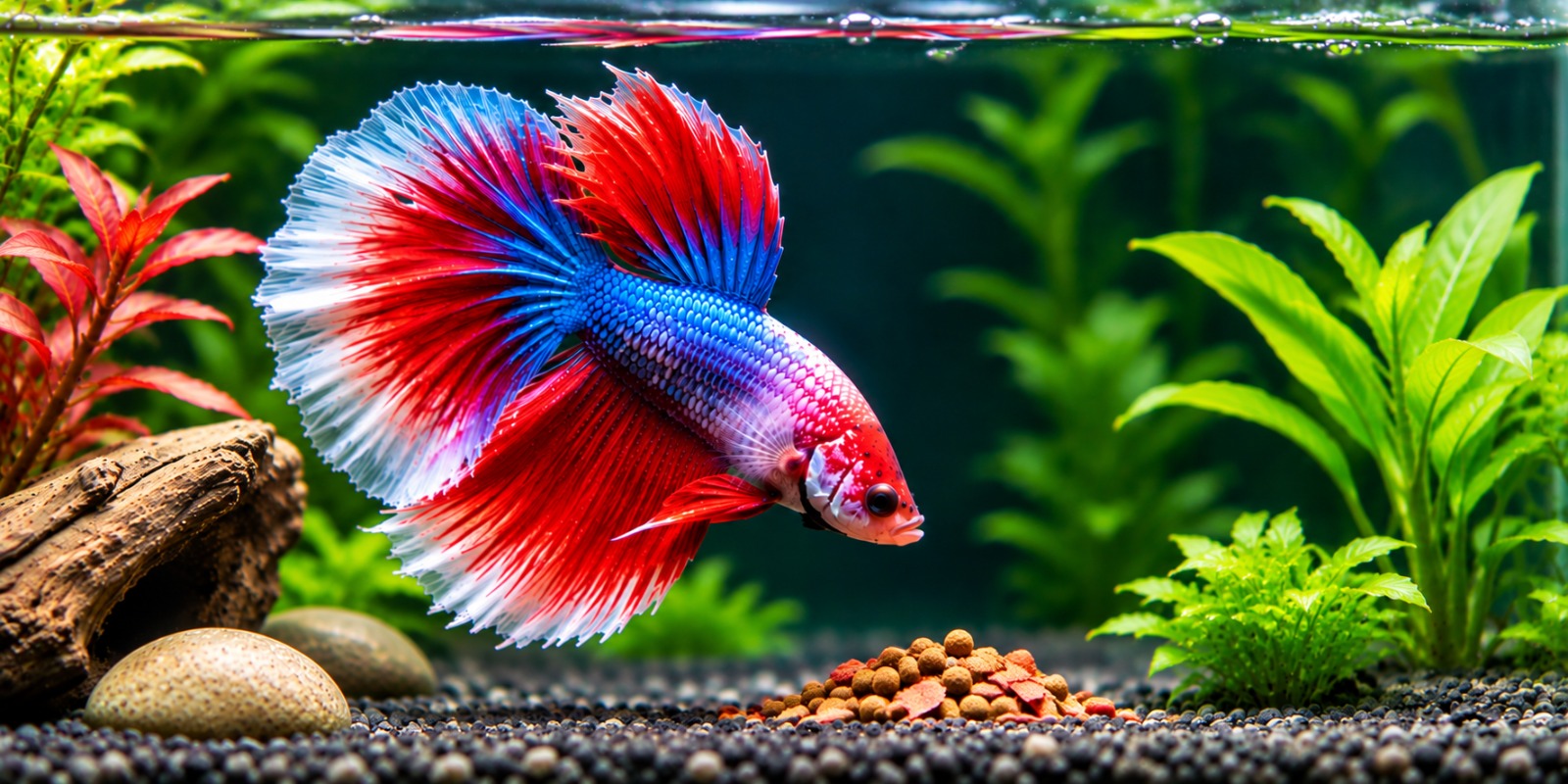
Betta fish are usually active, curious fish that eagerly approach their owners when food is offered. So, when your betta suddenly refuses to eat, it is natural to become concerned.
Sometimes, a betta fish may skip a meal because of stress, unfamiliar food, or a recent change in its environment. In other cases, refusing food can indicate poor water quality, an unsuitable temperature, or an underlying health problem.
The important thing is to understand why your fish has stopped eating instead of immediately assuming that it has a disease.
In this article, we will explore 12 possible reasons your betta fish is not eating, what you can do about each problem, and when you should seek professional help.
1. Your Betta Fish Is Stressed
Stress is one of the common reasons a betta fish may refuse food.
Bettas can become stressed after moving to a new aquarium, changing their surroundings, experiencing excessive water movement, or being exposed to aggressive tank mates.
A stressed betta may hide more than usual, remain near the bottom, clamp its fins, or show less interest in food.
What you can do:
Keep the aquarium in a quiet location.
Avoid tapping on the glass or making sudden movements near the tank.
Provide hiding places and suitable resting areas.
Maintain stable water conditions.
Avoid making unnecessary changes to the aquarium.
If your betta has recently been introduced to a new tank, give it time to settle while monitoring its behaviour and water quality.
2. The Water Temperature Is Too Low
Betta fish are tropical fish and need consistently warm water.
A temperature of approximately 25–28°C (77–82°F) is suitable for most bettas. If the water becomes too cold, their activity and digestion can slow down, and they may lose interest in food.
You might notice your fish swimming less, resting for long periods, or refusing meals.
What you can do:
Check the water temperature with a reliable aquarium thermometer. If the temperature is too low, use an appropriately sized aquarium heater to bring it gradually into a suitable range.
Avoid sudden temperature changes, as these can create additional stress.
3. Poor Water Quality Is Affecting Your Betta
Your aquarium water may look clean while still containing harmful substances.
Ammonia and nitrite can accumulate when fish waste and uneaten food are not adequately processed. These substances can damage fish tissues and cause serious health problems.
Poor water quality may also contribute to lethargy, reduced appetite, rapid breathing, and unusual swimming behaviour.
What you can do:
Test your aquarium water for ammonia, nitrite, nitrate, and pH.
In a healthy, established aquarium, ammonia and nitrite should remain at zero. If either is detected, perform an appropriate partial water change using conditioned water at a similar temperature, and investigate the cause.
Do not rely on clear water or a working filter alone to confirm that your aquarium is safe.
4. Your Betta Fish Does Not Like the Food
Sometimes, the problem is simply the food you are offering.
Betta fish can be reluctant to eat unfamiliar pellets, particularly if they have previously been fed a different brand or type of food.
Pellet size and texture can also make a difference. If the food is too large or difficult to swallow, your betta may repeatedly spit it out.
What you can do:
Offer a quality betta-specific pellet of an appropriate size.
Introduce new foods gradually.
Check that the food is fresh and has been stored properly.
Consider suitable frozen or live foods, such as brine shrimp or daphnia, for variety.
Avoid constantly changing foods or offering multiple treats in an attempt to force your fish to eat.
5. You Are Overfeeding Your Betta Fish
Overfeeding can cause problems even when your fish appears hungry.
Some bettas learn to approach the glass whenever they see their owners. This behaviour does not necessarily mean they need another meal.
Excess food can accumulate in the aquarium, deteriorate water quality, and contribute to digestive problems.
A fish that has been eating too much may show reduced interest in subsequent meals.
What you can do:
Feed small, appropriate portions once or twice daily, following the food manufacturer’s guidance and adjusting for your fish’s size and condition.
Remove uneaten food promptly. If you suspect constipation or bloating, review the feeding routine and monitor the fish for other symptoms rather than assuming that overfeeding is the only cause.
6. Your Betta Fish Is Still Adjusting to a New Aquarium
A recently purchased betta may refuse food during its first few days in a new environment.
Transport, handling, unfamiliar surroundings, and changes in water conditions can temporarily affect its appetite.
Some fish begin eating quickly, while others take longer to feel comfortable.
What you can do:
Keep the aquarium quiet and maintain stable water conditions. Offer a small amount of familiar food without repeatedly disturbing the fish.
Avoid chasing the fish with a net, rearranging decorations unnecessarily, or introducing new tank mates while it is settling in.
However, do not automatically attribute prolonged refusal to adjustment. Monitor its condition closely and investigate other causes if the problem continues.
7. Your Betta Fish May Be Constipated
Constipation or digestive problems may sometimes contribute to reduced appetite.
Possible signs include abdominal swelling, reduced or absent visible waste production, and changes in swimming behaviour. However, these signs can also occur with other health conditions, including fluid accumulation and internal disease.
What you can do:
Review the amount and type of food you are providing. Avoid overfeeding and offer a suitable, balanced betta diet.
Do not automatically use peas, human laxatives, or random medications as a treatment. Bettas are primarily carnivorous, and abdominal swelling can have several different causes.
If the swelling is pronounced, the fish struggles to swim, or symptoms persist, seek advice from a qualified aquatic veterinarian.
8. Your Betta Fish Is Experiencing an Illness
A loss of appetite can be an early sign of illness.
Depending on the underlying problem, you might also notice unusual spots, damaged fins, skin changes, swelling, abnormal swimming, or changes in breathing.
However, not every fish that refuses food is sick, and appetite loss alone cannot identify a specific disease.
What you can do:
Observe the fish carefully and check the aquarium’s water conditions first. Look for additional symptoms and consider whether any recent environmental changes could explain the behaviour.
If your betta shows several warning signs, becomes increasingly weak, or continues refusing food, consult an aquatic veterinarian or qualified fish-health professional.
Avoid using broad-spectrum medication without a reasonable diagnosis, as unnecessary treatment can create additional risks.
9. The Filter Current Is Too Strong
Betta fish, especially those with long, flowing fins, may struggle in aquariums with excessive water movement.
A strong current can make swimming tiring and prevent the fish from resting comfortably. A fish that is constantly struggling against the current may show less interest in feeding.
What you can do:
Check whether your filter creates a strong current across the aquarium.
If necessary, reduce the flow, adjust the outlet, use a suitable flow baffle, or consider a properly sized sponge filter.
Make sure the fish can reach the surface easily and swim around the tank without being pushed by the current.
10. Your Betta Fish Is Being Bullied by Tank Mates
Although betta fish can sometimes live with compatible tank mates, not every individual is tolerant of other fish.
Aggressive or fast-moving tank mates may chase your betta, compete for food, or prevent it from eating comfortably.
Even without visible injuries, repeated chasing can create stress.
What you can do:
Watch the aquarium during feeding time. Check whether other fish are chasing your betta or consuming all the food before it can reach it.
If aggression is occurring, separate incompatible fish using a suitable alternative aquarium. Do not place male bettas together in the hope that they will eventually get along.
A separate, peaceful aquarium may be the safest environment for a betta that is being bullied.
11. Your Betta Fish Is Getting Older
As betta fish age, their activity levels and feeding behaviour may change.
An older fish may swim more slowly, rest more frequently, or take longer to find and consume food. Vision or other age-related changes may also affect feeding.
However, age should not be used as an automatic explanation for a sudden loss of appetite.
What you can do:
Make sure the food is easy to locate and appropriately sized. Keep the aquarium clean and stable, and ensure that the fish can reach the surface without difficulty.
If an older betta suddenly stops eating, check water quality and temperature just as you would for a younger fish. A sudden change may still indicate a treatable problem.
12. Your Betta Fish Is Experiencing Environmental Changes
Betta fish can react to changes in their surroundings, including new decorations, altered lighting, a different feeding routine, or sudden changes in water chemistry.
A major water change, replacement of filter media, or moving the aquarium can also affect the fish if conditions change abruptly.
What you can do:
Keep maintenance routines consistent and avoid unnecessary changes.
When performing water changes, use properly conditioned replacement water that is close to the aquarium’s temperature. Clean filter media carefully, preserving beneficial bacteria whenever possible.
If you have recently changed something in the aquarium, consider whether that change coincided with the loss of appetite.
How Long Can a Betta Fish Go Without Eating?
A healthy adult betta may tolerate a short period without food, but there is no single safe duration that applies to every fish.
Young fish, sick fish, and fish already in poor condition may be more vulnerable to missed meals.
If your betta skips one meal but remains active and otherwise appears normal, check its environment and offer its next regular meal.
If it continues refusing food for around 24–48 hours, investigate the cause carefully rather than simply waiting longer. Seek professional advice sooner if the fish is weak, breathing abnormally, swollen, or showing other signs of illness.
Do not deliberately starve a betta for several days as a routine response to feeding difficulties.
Conclusion
A betta fish that is not eating may be experiencing stress, unsuitable temperatures, poor water quality, feeding difficulties, bullying, or an underlying illness. The key is to look at the fish’s overall behaviour and aquarium conditions rather than assuming that one particular cause is responsible.
Start by checking water temperature and quality, reviewing the feeding routine, and observing the fish for additional symptoms. Maintaining a clean, stable aquarium and offering a suitable diet can help prevent many common problems.
Most importantly, do not ignore a persistent loss of appetite. Early attention to environmental problems and appropriate professional advice can improve your chances of identifying the cause and helping your betta recover.
Frequently Asked Questions